CCME-MCPS engineers cathodic protection and marine growth prevention across the full range of marine and industrial assets — from commercial fleets to permanent port infrastructure, offshore energy and seawater process plant. The same engineering standard applies whichever sector you operate in.
We describe our experience by the assets we protect rather than by client count — the engineering problem is defined by the structure, its environment and its service life.
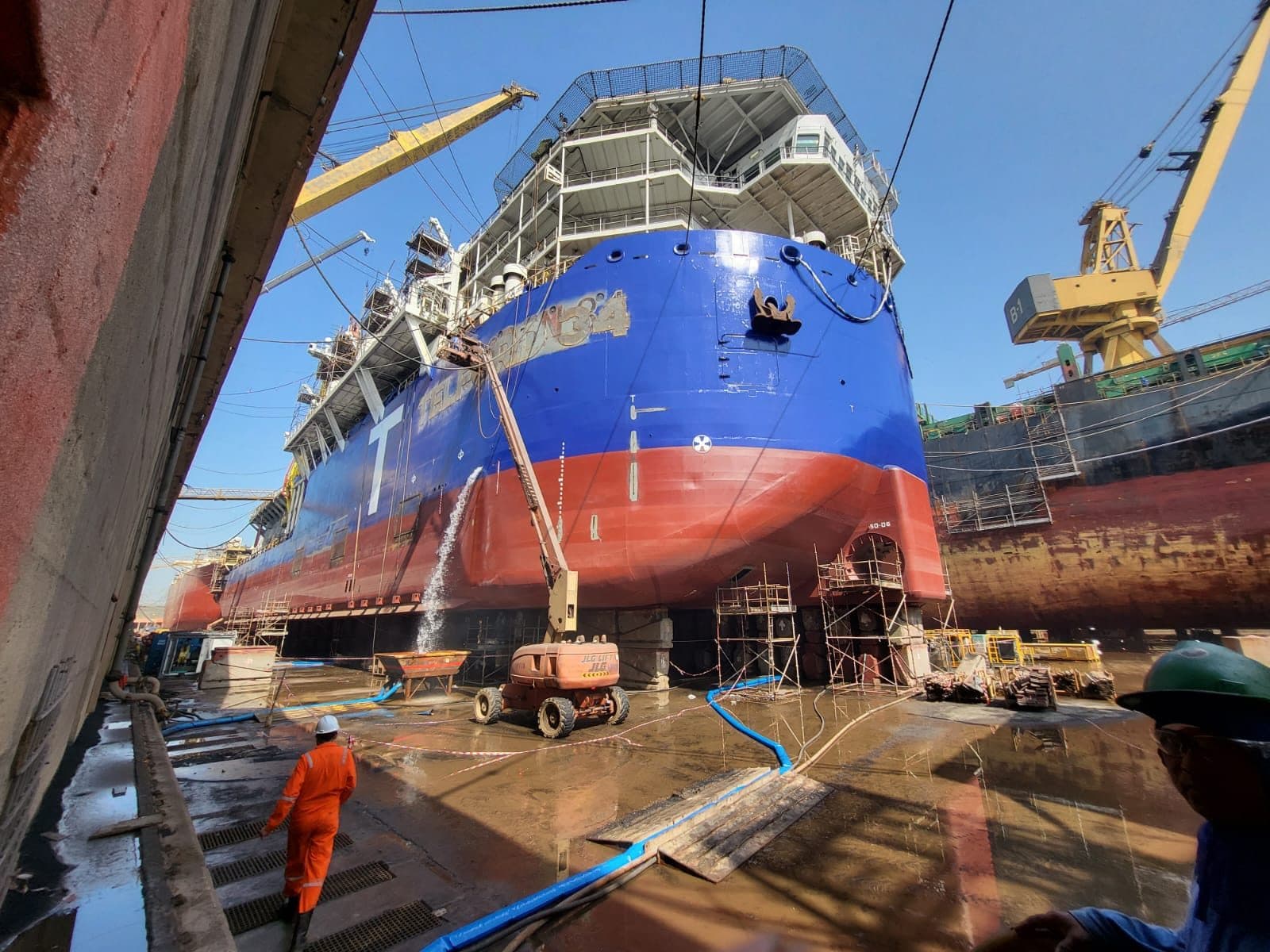
Hull, sea chest and tank protection for the full range of commercial fleet vessels.
Corrosion protection engineered to naval and government fleet requirements.
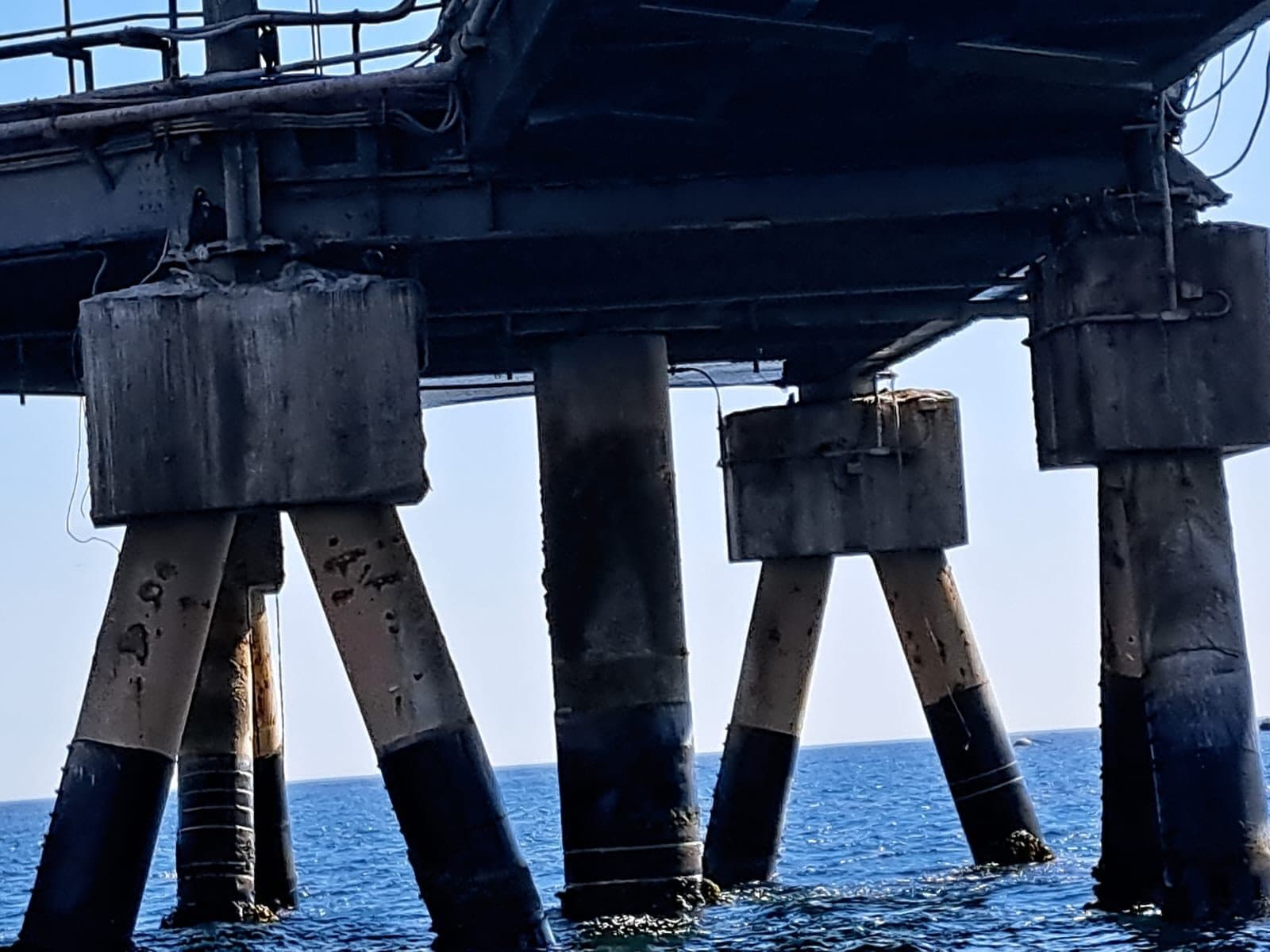
Fixed jacket and topside protection for offshore production infrastructure.
Hull and subsea corrosion protection for floating production, storage and offloading units.
Retrofit and new-build protection for permanent port assets.
Cathodic protection design for steel sheet pile quay and retaining structures.
Protection systems engineered for the specific loading and access constraints of quay structures.
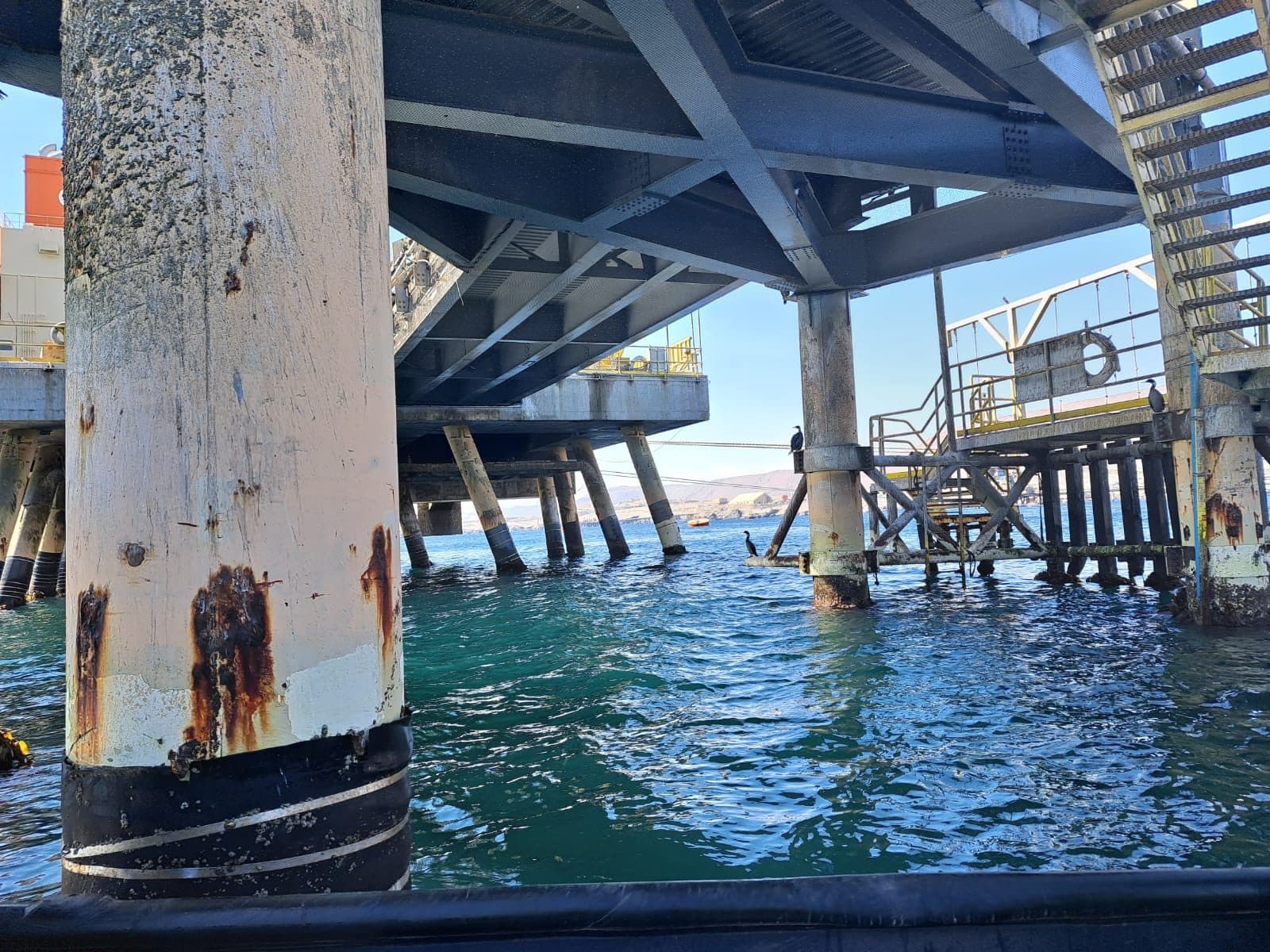
Full-length jetty protection, from new-build design to ageing-asset retrofit.
Berthing and mooring dolphin protection, often the highest-current-demand structures in a port.
Buried and subsea pipeline cathodic protection to DNV-RP-F103 and ISO 15589-2.
Internal and external tank protection for above-ground and buried storage.
Marine growth prevention and corrosion protection for seawater cooling systems.
Intake protection and marine growth prevention for RO, MSF and MED facilities.
Monopile, jacket and floating foundation protection for offshore wind developments.
Intake and outfall structures, fender systems, and other permanent marine assets.
Every sector maps to a service, a product line or an engineering enquiry. Start where your requirement sits.
Hull, sea-chest, tank and internal protection for commercial and naval vessels — sacrificial anodes, impressed current and marine growth prevention.
New-build design and ageing-asset retrofit for quay walls, sheet piles, jetties and dolphins, where soil resistivity, tidal variation and access shape the CP solution.
Fixed platforms, FPSOs, pipelines and offshore wind foundations — high-current-demand structures where CP design and coating-breakdown modelling matter most.
Cooling-water systems, desalination intakes and storage tanks — corrosion protection and marine growth prevention for seawater-handling infrastructure.
Tell us what you need protecting and our engineers will point you to the right service, product or design approach — an engineering-led enquiry, not a generic contact form.