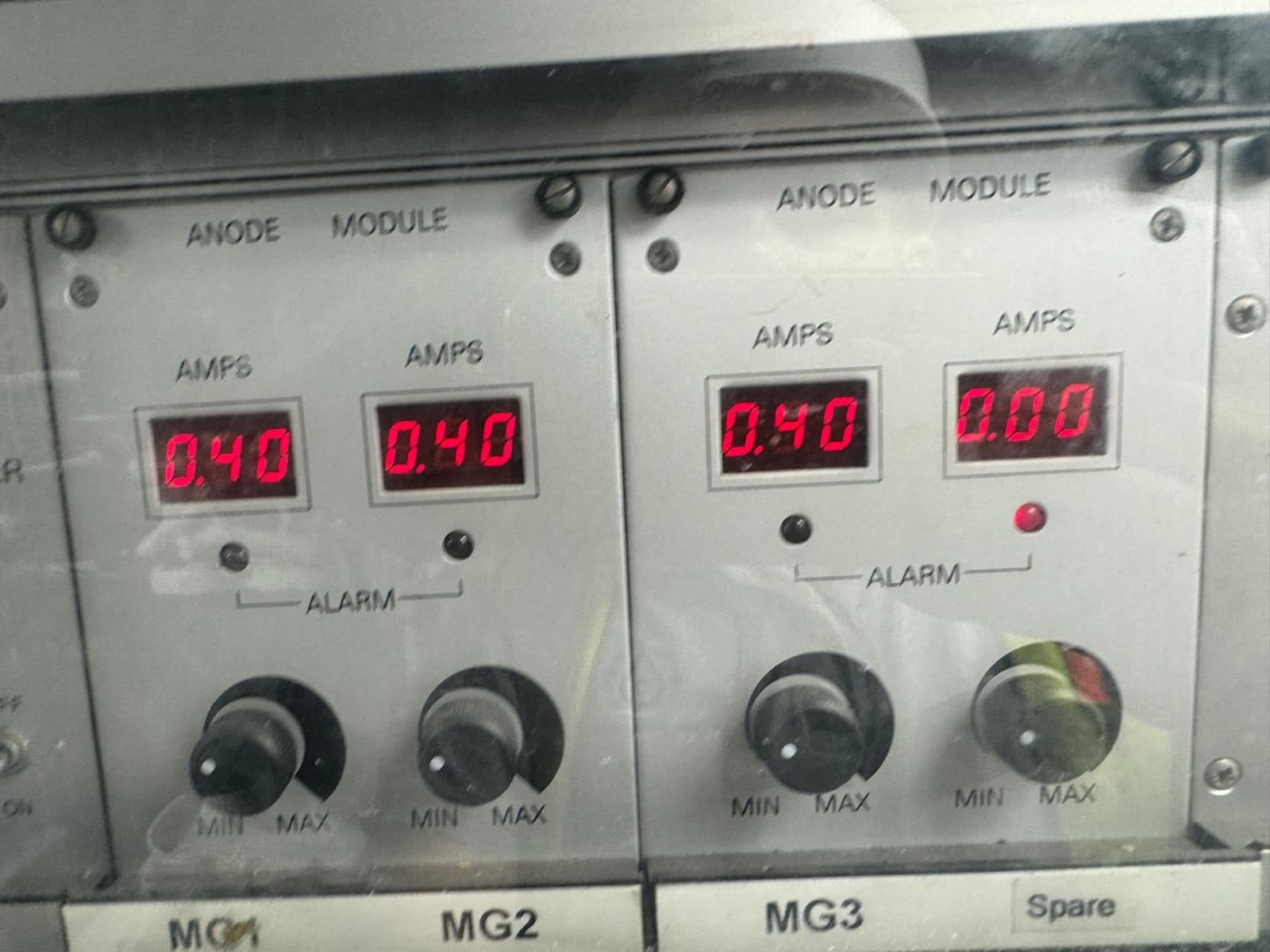
An MGPS/ICCP control panel with anode-module amperage readouts — genuine control equipment.
Impressed current anti-fouling and Hydrosonic technology for seawater cooling systems, fire intakes and sea chests — keeping intakes clear without the operating cost or environmental footprint of chemical dosing.
Sea chests and seawater cooling intakes losing flow to marine growth, or a chemical dosing programme that's become an ongoing operating cost, a compliance question, or both.
Fouling forms at all depths and temperatures — the right prevention method depends on the system, the risk of cavitation damage, and whether a powered electrode system or an acoustic approach fits the application.
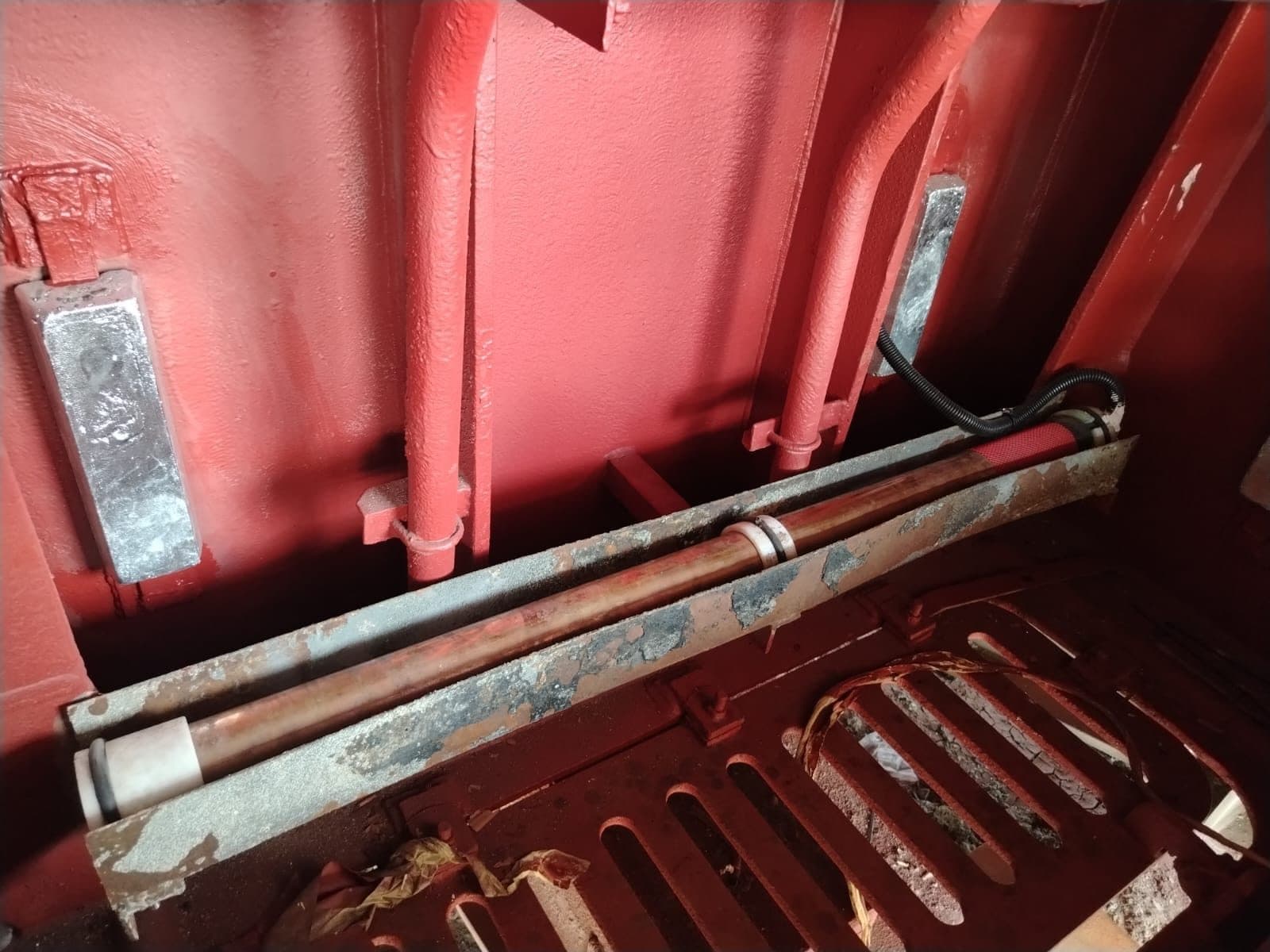
Releases copper ions into the water flow, preventing marine organisms from settling and colonising pipework and intakes.
Paired with the copper electrode to protect the pipework and equipment itself from corrosion.
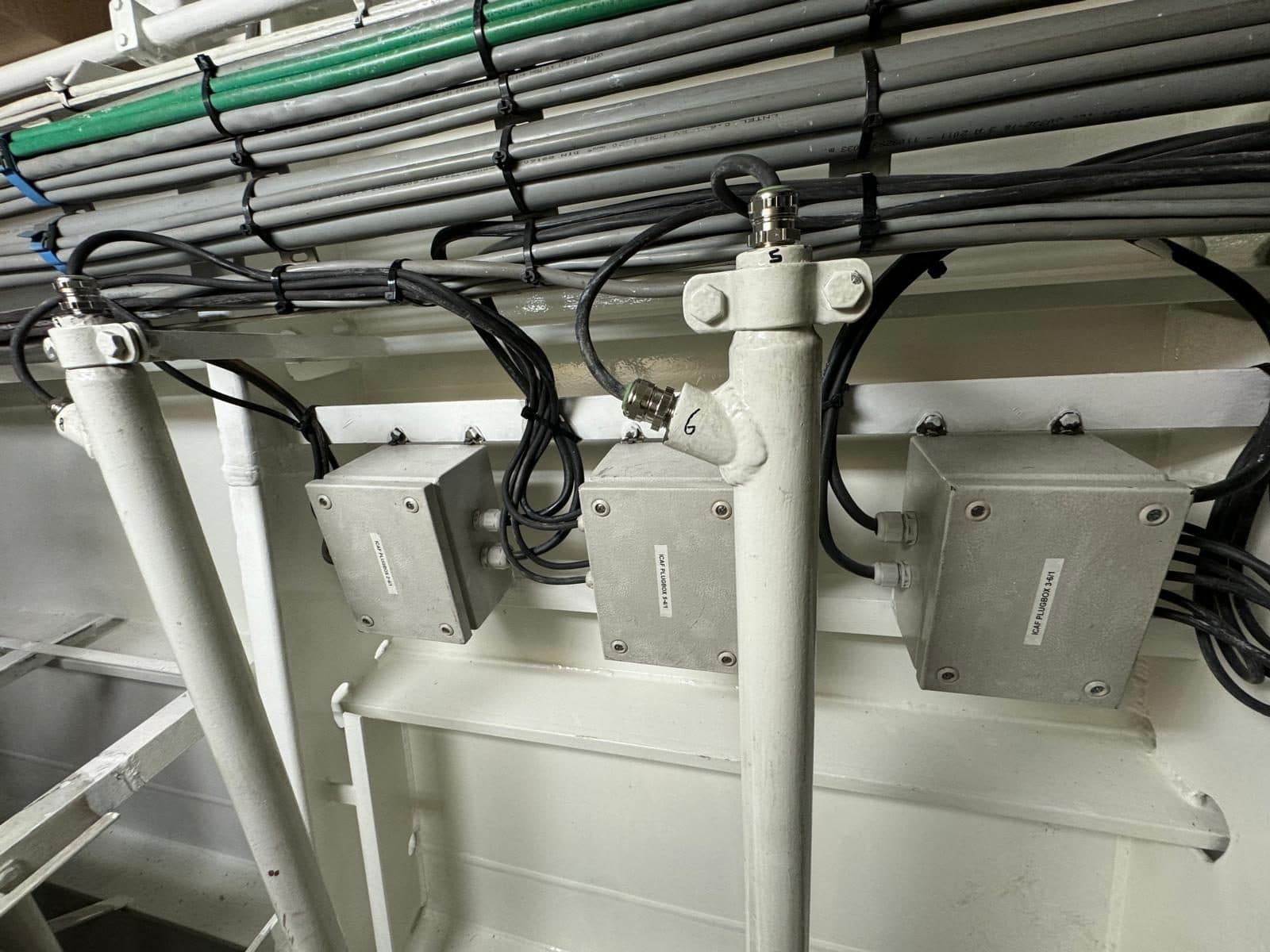
Shore or platform-mounted power supply, sized to the intake or cooling system being protected.
| Standard | Applies to |
|---|---|
| Seawater cooling systems | Fouling reduces cooling efficiency and increases maintenance frequency |
| Emergency fire intakes | A blocked intake is a safety-critical failure, not just an efficiency loss |
| Sea chests | Restricted flow areas are especially prone to fouling build-up |
| Desalination intakes | Fouling directly affects intake capacity and downstream treatment |
An MGPS/ICCP control panel with anode-module amperage readouts — genuine control equipment.
Most competitors design or manufacture. For marine growth prevention systems (mgps), we do both, plus installation, commissioning and lifecycle monitoring — coordinated as one engagement.
Current demand calculation, anode/electrode placement, drawings.
Anodes cast through our regional manufacturing network; equipment engineered in.
In-house diving and marine installation teams, or yard-coordinated fitting.
System energised, potentials verified against the −850 mV criterion.
Scheduled monitoring, inspection, and life extension as the system ages.
MGPS uses an electrode system (or acoustic technology for Hydrosonic) rather than ongoing chemical treatment — no consumables to order, store or dose.
Minimal maintenance is required, and because it doesn't generate cavitation, there's no associated risk of pump or heat exchanger damage.
Generally yes — electrode systems are fitted into existing intake or cooling pipework without major structural modification, confirmed per system during design.
Yes — this is a common application, given how critical it is that a fire intake isn't compromised by fouling when it's needed.
Structured engineering enquiry — get a scoped preliminary brief, not a generic quote request.
Start an MGPS enquiry